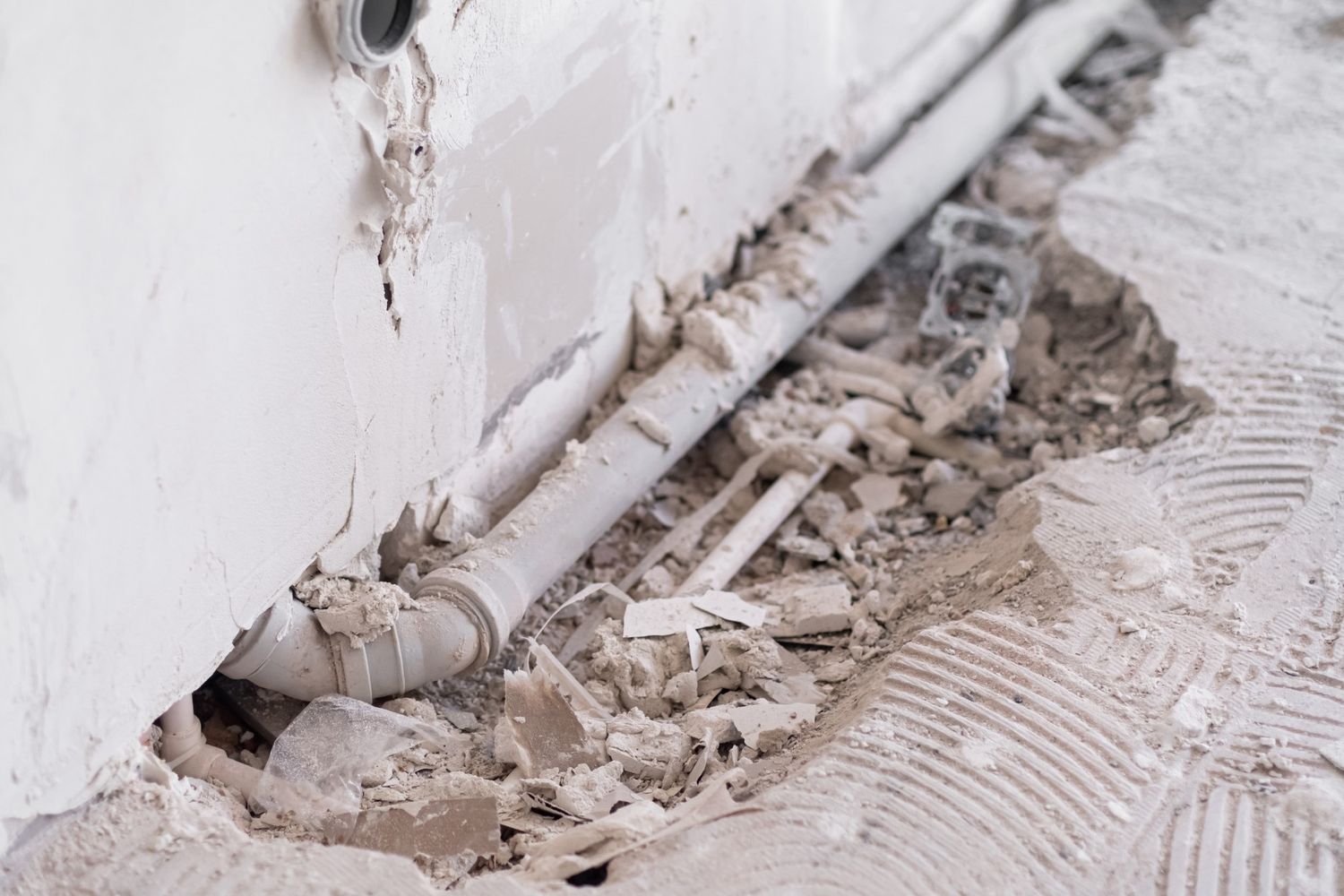

Fair Wear and Tear vs. Tenant Damage: The UK Landlord’s Guide to Deposit Deductions
19 November 2025
The end of a tenancy is often overshadowed by one difficult question: What is the fair price to pay for wear and tear, and when does it cross the line into tenant damage?
For landlords, getting this wrong can lead to deposit disputes that drag on for months. For tenants, it can mean unfair deductions. This guide is designed to cut through the confusion and clarify the legal distinction between the unavoidable deterioration of property (the landlord’s responsibility) and damage caused by negligence or misuse (the tenant’s financial responsibility).
The Legal Context Snapshot
The core principle in the UK is straightforward: Landlords are legally prohibited from deducting costs from a tenant’s deposit for Fair Wear and Tear (FWT). This is an accepted part of running a rental business, much like routine maintenance.
I. Defining Fair Wear and Tear (FWT)
Fair wear and tear is defined as the gradual and natural deterioration of a property caused by the ordinary and reasonable use of the premises by the tenant and the operation of natural forces.
In simple terms, it’s the inevitable sign that someone has been living in the property.
Concrete Examples of Fair Wear and Tear:
Carpets & Flooring: Worn, flattened, or threadbare areas in high-traffic routes (e.g., in front of a sofa or along a hallway).
Walls & Paintwork: Minor scuffs, finger marks near light switches, or small, non-structural chips in paint or skirting boards.
Fading: Curtains, blinds, or wallpaper that have faded due to prolonged exposure to sunlight.
Fixtures: Loose cupboard handles, slight squeaks in door hinges, or minor deterioration of sealant around a bath or sink due to age.
Structure: Small, hairline settlement cracks in plasterwork that occur naturally over time.
II. Defining Tenant-Caused Damage
Tenant-caused damage is deterioration resulting from negligence, carelessness, accident, or malicious acts by the tenant or their guests. This damage often affects the functionality, safety, or shortens the expected lifespan of an item or area significantly.
Concrete Examples of Tenant-Caused Damage:
Carpets & Upholstery: Large, deep, or irreversible stains (e.g., wine, bleach, pet urine) or burns that require professional replacement or repair.
Windows & Doors: A broken window pane, a mirror shattered, or a door ripped off its hinges due to excessive force.
Walls: Large holes (beyond a small picture hook), deep gouges, or unauthorized redecoration with a non-matching or inappropriate paint colour.
Plumbing & Appliances: Blocked drains caused by disposing of inappropriate items (e.g., wet wipes) or scorch marks on a kitchen countertop.
Water Damage: Flooding or mould growth resulting directly from the tenant’s negligence (e.g., overflowing the bath or failing to report a known, minor leak that then escalates).
III. The Four Key Factors in Assessment
When assessing an item for deduction, adjudication services like the Tenancy Deposit Scheme (TDS) consider four major contextual factors. Ignoring these is the number one reason landlords lose disputes.
1. Duration of Tenancy
An item will naturally deteriorate more over a longer tenancy. It is unreasonable to expect the same condition from a tenant who lived in the property for five years as one who stayed for six months. The longer the term, the higher the accepted level of FWT.
2. Number of Occupants
The level of wear is directly related to the number of people living in the property. A large family with children will inevitably cause greater wear on surfaces and fixtures than a single professional adult. This factor must be weighed when judging if wear is “reasonable.”
3. Quality and Age of Item (Lifespan)
Everything in a property has an expected lifespan (e.g., a good-quality carpet might have a lifespan of 10 years; basic paintwork, 3–5 years). If a 9-year-old carpet is damaged, the deduction should only be for 1/10th of its original cost, as it was already near the end of its life, regardless of the tenant’s action.
4. The Rule of Betterment
This is crucial: Landlords cannot charge the tenant for a ‘new for old’ replacement.
If a tenant damages an item, the landlord can only deduct the value lost to the item minus the FWT it had already suffered. The landlord is not entitled to use the deposit to upgrade the property or place themselves in a better financial or material position than they were before the damage occurred. Deductions must be proportional and based on the depreciated value.
V. Avoiding Deposit Disputes
Clear documentation and proactive communication are your strongest allies in preventing deposit disputes.
MANDATORY: Detailed Inventory: This is the non-negotiable cornerstone of any deposit claim. Ensure your check-in and check-out reports are detailed, comprehensive, and include dated, high-quality photographs and video evidence clearly documenting the condition of the property before the tenant moves in and after they move out.
Communication: Encourage tenants to report maintenance issues (like a dripping tap or a minor leak) immediately. Damage resulting from a tenant’s failure to report an issue may be classed as negligence.
Cleaning Standard: Remember, FWT applies to condition, not cleanliness. The tenant is responsible for returning the property to the same standard of cleanliness it was in at the start of the tenancy.