

The True Cost of a Burst Pipe in London: Repair, Restoration, and Prevention (2026 Price Guide)
20 November 2025
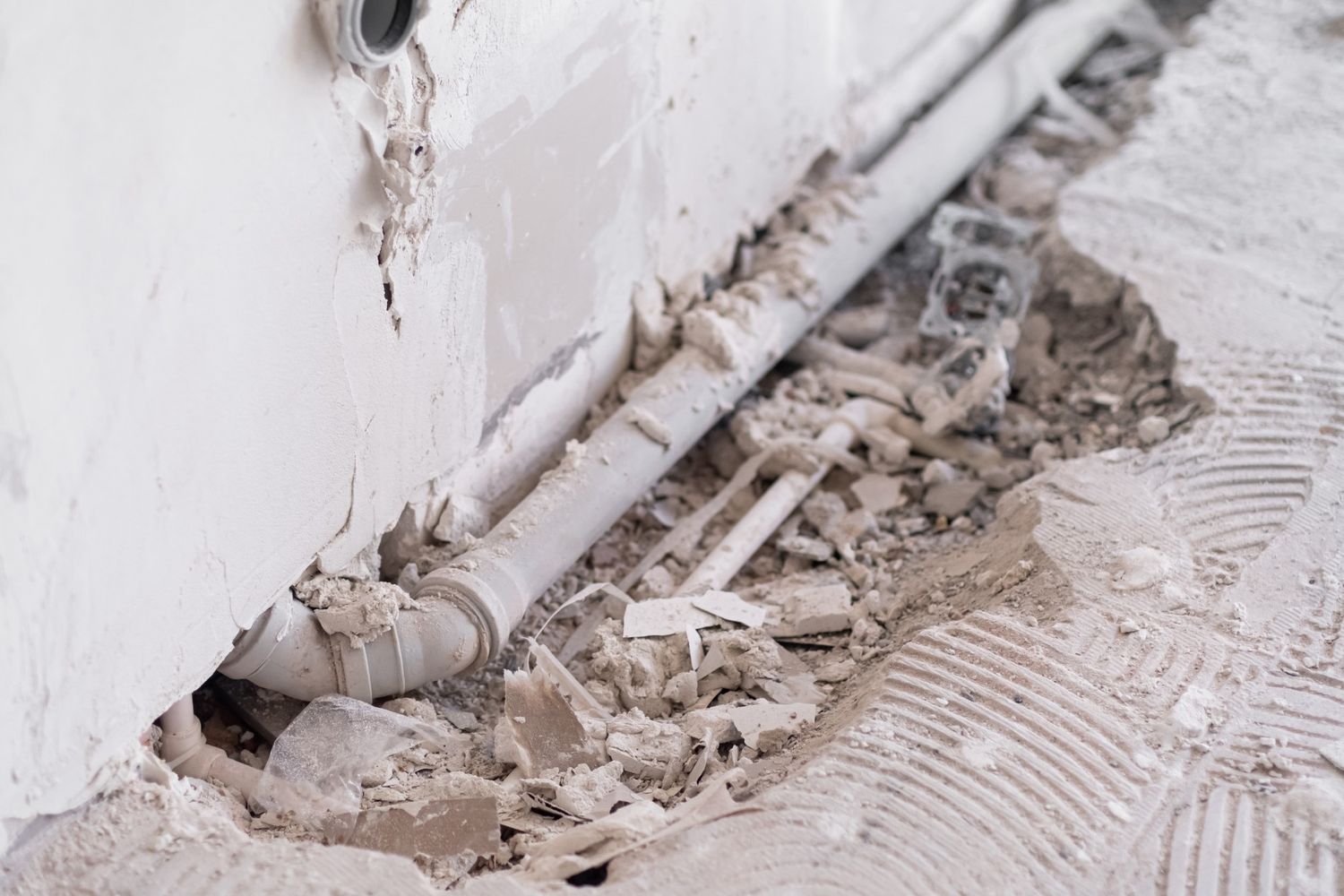
A burst pipe is every London homeowner’s nightmare. Especially during a cold snap, a catastrophic leak can go from a trickle to a torrent in minutes, causing thousands of pounds worth of damage, and often much of it is hidden from view.
This 2026 guide is designed to provide property owners and managers in the London area with a realistic, itemized breakdown of costs, moving beyond the simple plumbing bill to cover the often-forgotten expenses of restoration, drying, and preventing secondary damage.
Snapshot: The Two-Part Price Tag
In London, you’re looking at two major cost categories: the Plumbing Fix and the Water Damage Restoration.
Cost Component | Typical 2025 London Range |
|---|---|
Plumbing Repair (Minor) | £150 – £300 |
Plumbing Repair (Major/Hidden) | £450 – £600+ |
Water Damage Restoration (Drying/Mould) | £500 – £2,000+ |
I. Initial Repair Costs: The Plumbing Fix
Getting the water stopped and the pipe fixed is the first, most urgent step. London’s high cost of living is reflected in plumber rates, which generally sit 15-20% higher than the UK average.
Average UK/London Plumber Rates
Standard Hourly Rate: Expect to pay between £50 and £80 per hour for non-emergency, planned work.
Day Rate: A plumber’s day rate usually runs between £350 and £400.
The Emergency Call-Out Premium
When a pipe bursts, you rarely have the luxury of waiting. Emergency (Out-of-Hours/OOH) calls carry a significant premium:
Typical Call-Out Fee (OOH/Weekend): £100 – £120. This fee usually covers travel and diagnosis, often including the first hour of labour at a significantly higher rate (e.g., £90–£120/hr).
Repair Cost by Severity and Location
Minor Leak in Accessible Pipe: A leak under a sink, behind a toilet, or in an exposed loft space can often be isolated and fixed within 1–2 hours. Cost Estimate: £150 – £300.
Moderate Burst with Minor Flooding: A slightly more complex repair or one requiring parts replacement. Cost Estimate: £300 – £450.
Major Burst Behind a Wall or Under a Floor: If the pipe is hidden, the repair cost quickly escalates. This figure includes the plumber’s time to locate the leak, cut access panels, make the fix, and sometimes temporarily patch the structure. Cost Estimate: £450 – £600+.
II. The Hidden Costs: Water Damage Restoration
The true financial shock comes not from the plumber, but from the subsequent costs to restore the property. The key goal here is moisture mitigation to prevent secondary damage like structural decay and mould growth.
Drying and Dehumidifying
If carpets, subfloors, or plaster are soaked, industrial drying is essential.
Dehumidifier/Air Mover Rental Service: Depending on the area size and severity, the equipment rental, monitoring, and electricity consumption can total £200 – £800 over the required drying period (which can last 1–3 weeks).
Mould Remediation
If the water damage goes unnoticed or untreated for even a few days, mould can begin to thrive.
Mould Remediation Specialist: Removal, air purification, and application of anti-fungal treatments are required. Cost Estimate: £300 – £1,000.
Structural and Finish Repairs (Post-Plumbing)
These are the costs to make the property habitable and aesthetically pleasing again:
Drywall/Plaster Repair: Replacing the section of wall or ceiling cut out to access the pipe, and re-plastering/skimming. Cost Estimate: £100 – £500 per area.
Flooring: Replacement of damaged laminate, lifting and drying of sodden carpets, or replacing buckled wood flooring. This cost is highly variable but often the largest single expense.
Repainting and Decorating: Repainting ceilings, walls, and replacing damaged skirting boards.
III. Factors That Inflate the Bill
Be aware of these factors that can quickly move your repair from the lower end of the estimate to the highest:
Accessibility: The number one cost multiplier. If the pipe is behind expensive tiles, under a custom wooden floor, or deep inside a wall, the labour and restoration costs rocket due to the demolition and rebuilding required.
Time of Call: Any work outside 8 am–6 pm on a weekday, or on a bank holiday, will command the maximum premium.
Pipe Type and Location: Repairing buried external water supply pipes (leading from the boundary to the house) often requires excavation and specialist work, pushing costs towards £500 – £2,000+.
IV. Prevention is Always Cheaper
Spending a small amount now can save you thousands later.
Insulation: Ensure all exposed pipework, especially those in cold areas like lofts, garages, or outside, are properly lagged with foam insulation.
Heating During Cold Snaps: If you leave your property vacant, leave the heating on a low setting (e.g., 12–15°C) to prevent pipes from freezing.
Locating the Stopcock: Know exactly where your main water shut-off valve (stopcock) is located. This is the only way to minimize damage during a burst—every minute counts.
V. Conclusion
The headline cost of a plumber is just the beginning; the real expenditure lies in the clean-up and restoration. By factoring in the age of your property, taking proactive preventative measures, and knowing where your stopcock is, you can significantly mitigate the risk and financial impact of a burst pipe emergency.